The Life Changing Effects of Sleep Hygiene: 6 Best Practices So You Can Sleep and Feel Better
As the mom of a very busy and energetic toddler, getting enough quality sleep is an absolute essential for me. Wether you are a parent on the verge of overwhelm like me or not, we all need good, quality sleep.
Bad sleep is like a plague. It’s easy to come by and hard to get rid of. Anything from stress, anxiety, bad habits, or sometimes even bad genetics can cause poor sleep. This negatively affects our mood, memory, concentration, immune system, and our entire quality of life.
Fortunately, there are some simple and effective ways to improve our sleep hygiene and enjoy more rest.
This is where sleep hygiene comes in.
Sleep hygiene is like physical hygiene in that it’s not really something that comes naturally, but it is something we all need to practice to be truly healthy. It doesn’t make life better overnight the way a good shower might, but over time It improves sleep quality and quantity.
Why is Sleep Hygiene important?
Sleep hygiene is important because it can help us improve both the quality and quantity of our sleep. Getting enough good-quality sleep has many benefits for our health and well-being such as:
- Improved mood: Sleep restores our energy levels and helps us cope with stress better. Waking up well-rested can make us feel happier and less irritable.
- Enhanced memory and cognition: Sleep helps our brain process information and consolidate memories. Getting enough sleep can improve our learning ability, problem-solving skills, creativity, and decision-making.
- Stronger immune system: Sleep helps our body fight off infections and inflammation. Getting enough sleep can reduce the risk of getting sick or developing chronic diseases such as diabetes or heart disease.
- Better physical health and performance: Sleep helps our muscles recover and grow stronger. Getting enough sleep can improve our stamina, coordination, reaction time, and balance.

Sleep Hygiene Recommendations
These sleep hygiene guidelines can provide you with a basis for getting some good shut eye. Think of them like sleep hygiene principles to follow, not hard-and-fast rules.
Healthy sleep hygiene involves both our daytime and nighttime routines, as well as our environment and lifestyle choices.
Best Sleep Hygiene Practices
Dos
- Keep a consistent schedule: Go to bed and wake up at the same time every day, as hard as it may be, do this even on weekends. This will help your internal clock and regulate sleep-wake cycles. Making it easier for to fall asleep and wake up.
- Get bright light in the morning. Bright light is important in because it helps our body adjust to the natural day-night cycle and regulate our sleep hormones. It helps us synchronize our internal clock or circadian rhythm with the time of day outside so we can be alert during the day and sleepy at night.
According to some studies, getting at least 15 minutes of direct natural light within an hour of waking up can improve our sleep quality and quantity.
- Build a relaxing bedtime routine: Do something slow-paced and calming before bed to unwind. Ideas for this include:
- Reading
- Meditating
- Listening music
- Taking a warm bath
- Make sure your bedroom is comfortable and conducive to sleep: Your bedroom should be:
- Cool (around 18°C or 65°F)
- Dark (use curtains or blinds)
- Quiet (use earplugs, a fan, or sleep sound machine)
- And free of clutter (remove any unnecessary items).
Make your bedroom a place where you only use for sleeping and intimacy (aka don’t scroll endlessly on your phone in bed or finish up work emails) this way your brain will associate your bedroom with rest and relaxation. Other necessities include: a good mattress, pillow, bedding, and pajamas that suit your preferences and comfort needs.
- Get some exercise! Physical activity improves our physical and mental health, as well as our sleep quality. Exercise reduces stress, improves mood, helps to regulate body temperature, and promote deep sleep.
- Take a high quality Calcium-Magnesium Supplement about 30 minutes to and hour before bed. For me, this helps relax my sore muscles and it gives me MUCH more energy the next day. Quick disclaimer: discuss this one with your doctor before trying it to be sure it’s right for you. I don’t know of any ill effects Cal-Mag could have (besides getting the runs if you take too much) but I am not a doctor.
Don’ts
- Consume caffeine, alcohol, and nicotine late in the day. All of the aforementioned substances can negatively impact your sleep. They interfere with sleep cycles. Cause frequent awakenings, reduce deep sleep, and/or increase snoring.
Caffeine can stay in our system for up to six hours, so… Drink coffee, tea, energy drinks, or chocolate (all of which contain caffeine) after midday.
Alcohol can often make us feel drowsy at first, but it can disrupt our sleep later in the night by affecting our breathing and causing dehydration. Nicotine is a stimulant that can keep us awake or make us restless during the night.
- Exercise late in the day. Avoid getting your heart pumping by exercising too close to bedtime. Aim for at least 150 minutes of moderate exercise per week and try to finish your workout at least three hours before bed.
- Stay in bed for hours on end. Get up from bed and take a “break” every 30 minutes if you cannot sleep.
This one is a lifesaver for me! It helps train your brain that the bed is for sleeping, not for restlessly lying in bed awake.
- Do anything stimulating, wakeful, or stress-making such as:
- Work
- Tense Discussions
- Screens
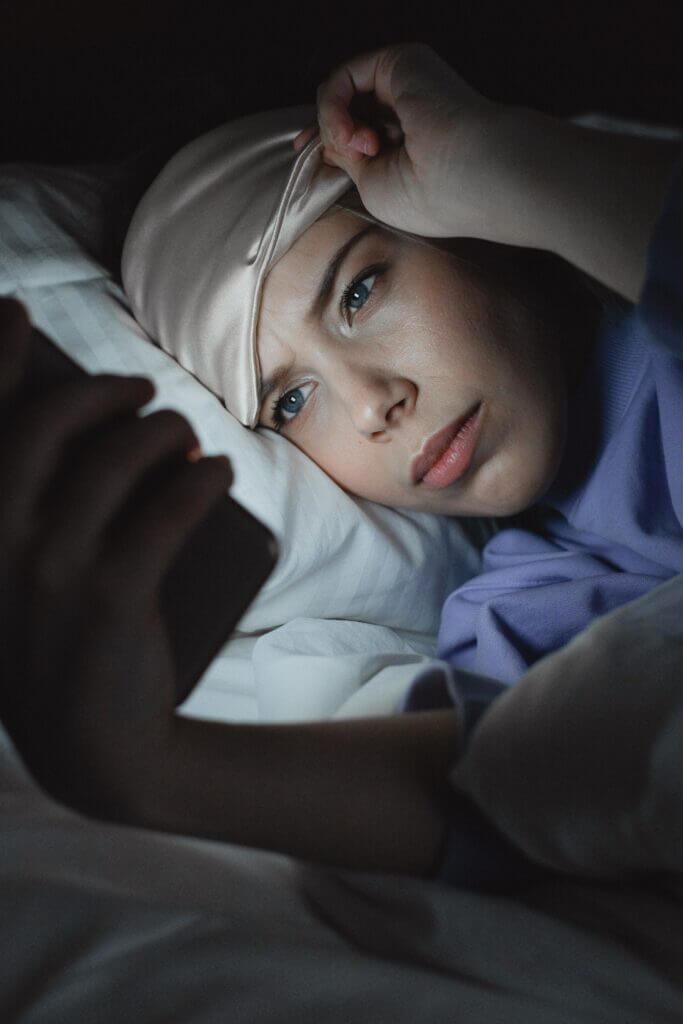
- Turn off electronic devices before bed: This means ALL the devices.
- Phones
- Tablets
- Laptops
- And TVs
Just as it’s important to get bright light in the morning, it’s important to avoid bright light at night.
All of the aforementioned devices emit bright blue light that can suppress the production of melatonin, the hormone that regulates our sleep cycle. Exposure to blue light in the evening can make it harder for us to fall asleep and disrupt our sleep quality. Therefore, it is recommended to avoid using these devices at least one hour before bed or use a blue light filter if necessary.
Now we know what good sleep hygiene consists of, what can you do to keep it a priority?
If you’re interested in improving you self care routine: check out this article on self-care journaling!
How to keep good sleep a priority?
Practicing good sleep hygiene is not difficult but it does require some commitment and consistency. Here are some tips on how to start improving your sleep hygiene today:
- Set a realistic goal: Decide how much sleep you need based on your age , lifestyle ,and health conditions . Most adults need about seven to nine hours of sleep per night , but this may vary from person to person . Try to stick to your goal as much as possible , but don’t stress if you occasionally get more or less than that .
- Track your progress: Use a diary , an app , or a wearable device to monitor your sleep patterns , habits ,and quality . This can help you identify any problems or areas for improvement , as well as celebrate your achievements .
- Be flexible and patient: Changing your habits can take some time and effort , and you may not see immediate results . Don’t give up if you encounter some challenges or setbacks along the way . Adjust your strategies as needed and keep trying until you find what works best for you .
- Seek professional help if necessary: If you have trouble sleeping despite practicing good sleep hygiene, you may have a sleep disorder or an underlying medical condition that requires treatment. Consult your doctor or a sleep specialist if you experience any of the following symptoms:
- Difficulty falling asleep or staying asleep
- Excessive daytime sleepiness or fatigue
- Loud snoring or pauses in breathing during sleep
- Restless legs or movements during sleep
- Nightmares or night terrors
- Insomnia or hypersomnia
- Narcolepsy or sleep apnea
I really hope these ideas for improving sleep hygiene prove helpful to you!
May this little crash course on sleep hygiene education steer you in the right direction on your restful journeys!
Thanks Bunches!
More Resources:
Tips from the American Academy of Sleep Medicine
Tips from the National Sleep Foundation
If you enjoyed this article, see what else we have to see!