Gratitude Journaling: 8 Simple and Effective Ways to Boost Your Mental Health and Well-Being

What is Gratitude journaling?
Gratitude journaling is a practice of writing down the things that you are grateful for on a regular basis. It can be as simple as listing three things that made you happy or thankful each day, or as elaborate as writing a letter to someone who has helped you in some way. The idea is to cultivate a habit of noticing and appreciating the positive aspects of your life, rather than focusing on the negative ones.
The Benefits of Gratitude Journaling
Writing what you’re thankful for has been shown to have many benefits for your mental health and well-being, such as:
- Increased positivity: Gratitude journaling can help you shift your perspective from what is lacking or wrong in your life to what is abundant and right. This can reduce your stress, anxiety, and depression levels, and enhance your optimism, hope, and resilience¹².
- Increased happiness: Writing with a grateful attitude can make you happier by increasing your positive emotions, such as joy, love, and satisfaction. It can also improve your self-esteem, self-worth, and self-acceptance¹². Research has found that gratitude journaling can increase your happiness by 10% after 10 weeks³.
- Increased mindfulness: Gratitude journaling as a habit can help you to become more mindful of the present moment, rather than dwelling on the past or worrying about the future. It can also help you savor the good experiences in your life, and enhance your awareness and appreciation of the beauty and wonder around you¹².
- Better physical health: Thankful Journaling can improve your physical health by boosting your immune system, lowering your blood pressure, improving your sleep quality and duration, and reducing your inflammation¹². It can also motivate you to take better care of yourself, such as exercising more, eating healthier, and avoiding harmful habits.
- Stronger relationships: Writing about good things can strengthen your relationships by making you more generous, compassionate, and supportive towards others. It can also help you express your gratitude to others more often, which can increase their happiness and gratitude as well. Journaling with a grateful attitude can also enhance your sense of belonging, connection, and social support¹².
The Science Behind Gratitude Journaling
According to some researchers, gratitude journaling can affect your brain and body in various ways. Here are some of the possible mechanisms and benefits of gratitude journaling:
- Gratitude journaling can activate the reward system in your brain. The reward system is a network of brain regions that are involved in motivation, pleasure, and learning. When you express or receive gratitude, your brain releases dopamine and serotonin, two neurotransmitters that make you feel good and satisfied. These chemicals can also reinforce your gratitude behavior, making you more likely to repeat it in the future12.
- Gratitude journaling can reduce stress and inflammation. Stress is a major factor that can impair your physical and mental health. Chronic stress can increase the levels of cortisol, a hormone that triggers inflammation and suppresses the immune system. Gratitude journaling can help you cope with stress by shifting your focus from the negative to the positive aspects of your life. This can lower your cortisol levels and reduce inflammation, which can protect you from various diseases34.
- Gratitude journaling can improve your sleep quality and duration. Sleep is essential for your health, as it allows your body and mind to rest and recover. Lack of sleep can impair your memory, mood, and cognitive functions. Gratitude journaling can help you sleep better by enhancing your emotional regulation and reducing your rumination. By writing down the things that you are grateful for before bed, you can calm your mind, relax your body, and fall asleep faster and deeper5 .
- Gratitude journaling can strengthen your social bonds and empathy. Social relationships are vital for your happiness and well-being. They can provide you with support, comfort, and companionship. Gratitude journaling can help you nurture your social bonds by expressing your appreciation and gratitude to others. This can increase their trust, loyalty, and reciprocity towards you. It can also boost your empathy and compassion, making you more sensitive and responsive to the needs and feelings of others .
How to Practice Gratitude Journaling?
Surprisingly, Gratitude Journaling is easy to start and maintain. All you need is a journal, a pen, and a few minutes each day. Here are some tips to help you get started:
- Choose a time and place that works for you. You can journal in the morning to start your day on a positive note, or at night to reflect on the good things that happened during the day. You can journal at home, at work, or anywhere else that feels comfortable and convenient for you.
- Set a goal and stick to it. You can decide how often and how long you want to journal. You can start with once a week for 10 minutes, or daily for 5 minutes or literally whatever works for you! The key is to be as consistent as you can be and make it a habit.
- Write freely and honestly. There is no right or wrong way to journal. You can write in sentences, bullet points, or even drawings. You can write about anything that you are grateful for, big or small, personal or global. The important thing is to express your genuine feelings of gratitude.
- Be specific and detailed. Try to avoid vague or general statements, such as “I am grateful for my family”. Instead, write about why you are grateful for them, what they have done for you, or how they make you feel. For example, “I am grateful for my sister who called me today to check on me and cheer me up”.
- Vary your topics and sources of contentment and joy. Try not to repeat the same things over and over again. Instead, look for new and different things to be grateful for each time you journal. You can also expand your scope of gratitude beyond yourself and include other people, animals, nature, events, objects, etc.
- Review and reflect on your entries. Every once in a while, read back what you have written and notice how it makes you feel. You might be surprised by how much good there is in your life, and how much happier and healthier you have become.

How Long Should Gratitude Journaling Take?
Fortunately, it is a flexible and personal practice that can be adapted to your preferences and schedule. There is no fixed rule on how long it should take, but some general guidelines can help you make the most of it.
According to some, Gratitude Journaling for about 15 minutes per day at least three times a week may have the greatest impact on your well-being. This is perhaps because it helps balance out gratitude fatigue and keeps things fresh. However, you can also journal daily or weekly, depending on your goals and availability.
Some people prefer to journal in the morning, to start their day with a positive mindset and set their intentions for the day. Others like to journal at night, to reflect on the good things that happened during the day and end their day on a grateful note. You can choose the time that works best for you and your routine.
Ideas for Gratitude Journaling Prompts
- What is the most beautiful thing you saw today?
- What made you smile unexpectedly?
- What is one thing that made you laugh out loud?
- Who do you love?
- Who did you talk to today that made you happy?
- What is something that you learned today that you are grateful for?
- What is something that you accomplished today that you are proud of?
- What is something that you are looking forward to tomorrow?
- A simple pleasure that you enjoy?
- What is something that you have today that you didn’t have a year ago?
- A happy memory!
- Someone who has helped you or supported you in some way.
- Write about something that you are grateful for in nature.
- A challenge that you overcame or learned from.
- Write about a gift that you received or gave to someone else.
- A compliment that you received or gave to someone else.
- Write about a skill or talent that you have or admire in someone else.
- A book, movie, song, or show that touched your heart or made you think.
- Write about a place that you visited or want to visit.
- A hobby or activity that brings you joy or relaxation.
Pitfalls to avoid
- Don’t overdose on gratitude. Writing down too many things that you are grateful for or doing it too often can make you feel overwhelmed, bored, or numb. It can also reduce the quality and depth of your gratitude expressions.
- Don’t ignore the negative. This is not meant to be a way of escaping or denying the challenges and difficulties you face in life. It is important to acknowledge and process your negative emotions, as well as to seek help when needed.
- Don’t compare yourself to others. Gratitude journaling is a personal and subjective practice that reflects your unique experiences and values. It is not a competition or a ranking system. Comparing yourself to others can make you feel dissatisfied, envious, or inferior, which can undermine your gratitude and happiness.
- Don’t be superficial or vague. Gratitude journaling is more effective when you are specific and detailed about what you are grateful for and why. Writing down general or abstract statements, such as “I am grateful for my family” or “I am grateful for life”, can make you feel less connected and engaged with your gratitude.
- Don’t take gratitude for granted. This isn’t a one-time activity or a magic pill that will solve all your problems. It is a habit that requires regular practice and maintenance. If you stop expressing your gratitude, you may lose some of the benefits that you gained from it.
Tips for Gratitude Journaling
- Find a schedule that works for you. Wether that’s every morning when you wake up or right before you go to bed at night, try to be consistent but balanced.
- Make sure you keep up with other ways of emotional regulation, like socializing with friends and family, getting out of the house, eating well, exercising and keeping in touch with your primary care doctor and therapist.
- Since comparioson is the thief of joy, try to focus on what you do have and not what you don’t have. Try to celebrate you’re own successes as well as the suspenses of others around you.
- Make your entries as specific and concrete as possible. Write about specific happenings within your day that have had a positive impact. Such as “I saw a beautiful butterfly today and it made me smile.” rather than “Nature is good.”
- Try to keep your entries fresh and engaging by varying what you write about. (See some prompt ideas below)
- Reflect on your previous entries. This has many benefits but can really inspire a feeling that you’re living “the good life.”
- Share you’re newfound positivity with others!
How do you Start a Simple Gratitude Journal?
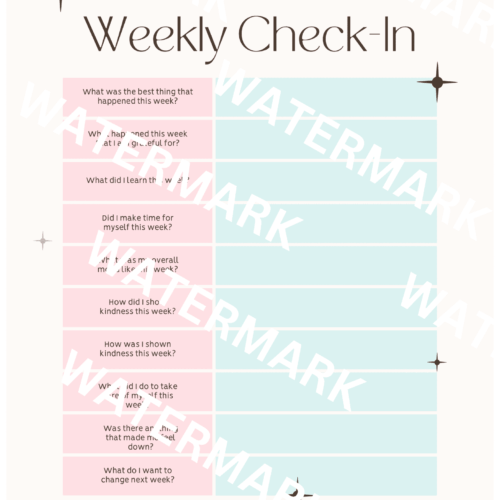
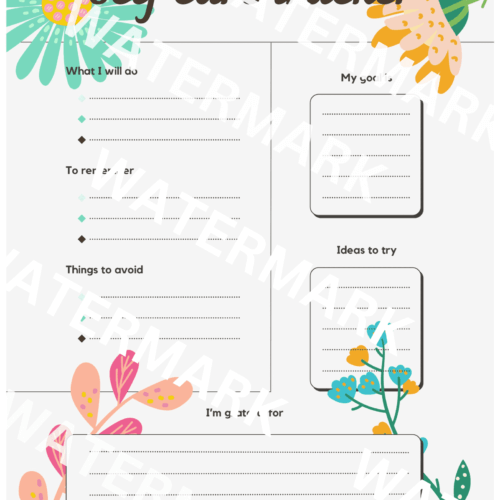
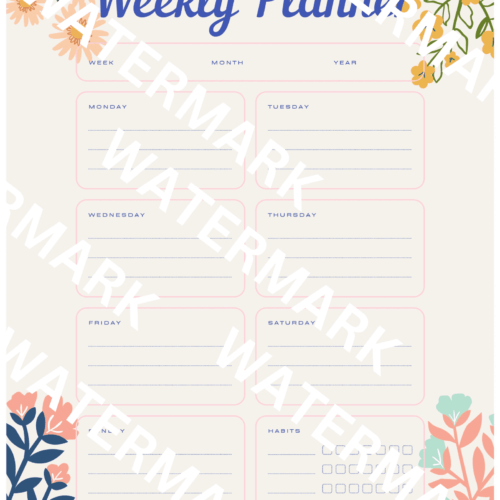
Queue Shameless Plug of my Gratitude Journal Printable PDF!
I joke, but I really do believe in this practice and I think you should try it. If you appreciate this article or my other work, please consider supporting this website. Thank you Bunches!

More Research on Gratitude Journaling
Could Be Doing More Harm Than Good
Why Is Gratitude So Hard for Some People?
5 “Don’ts” of Practicing Gratitude

(1) 14 Benefits of Practicing Gratitude (Incl. Journaling). https://positivepsychology.com/benefits-of-gratitude/.
(2) 66 Templates & Ideas for Daily Journaling. https://positivepsychology.com/gratitude-journal/.
(3) Twello. https://trytwello.com/the-5-benefits-of-gratitude-journaling/.
(4) 14 Benefits (Incl. Journaling). https://positivepsychology.com/benefits-of-gratitude/.
(5) 66 Templates & Ideas for Daily Journaling. https://positivepsychology.com/gratitude-journal/.
(6) 5 Benefits – Twello. https://trytwello.com/the-5-benefits-of-gratitude-journaling/.
